
I set up Queer River five years ago in 2020, as we emerged from lockdown, as a way to walk, talk and make with my local river, the Hampshire Avon, which begins its journey near my home in the Vale of Pewsey in mid Wiltshire.
The original intention was to pay attention to the river on my doorstep, to slow down and really notice, and to experience the river through other people’s eyes, queering my sense of what a river is by holding a space for multiple, intersecting perspectives. I couldn’t find ways to fund the research that I wanted to do, so I set up Queer River as an independent, arts-based research project.

My time with the Hampshire Avon soon expanded to include my other local river, the Bristol Avon, whose tributaries pass near to where I live. As I walked with others, made and exhibited new artwork, and wrote about our experiences for the Queer River blog, I was invited to travel to work with other rivers and their communities across the UK (including Glasgow, Great Yarmouth and The New Forest ) .
Community engagement projects developed from my research in partnership with environmental and heritage organisations, I was commissioned to speak about my research, to write about it, and to make new artwork for exhibitions relating to watery themes, and the place of queerness within rurality and ecology.
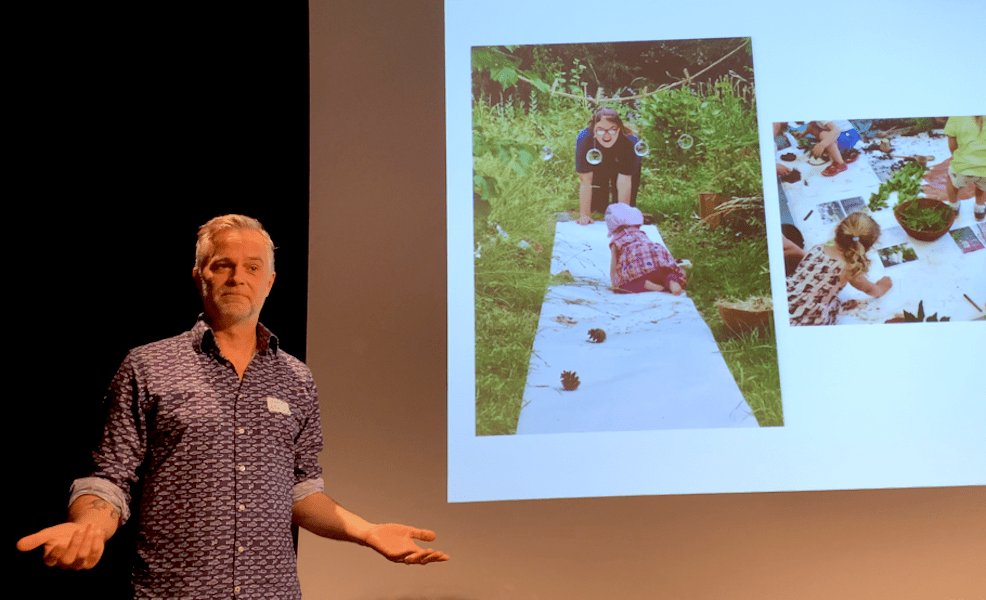
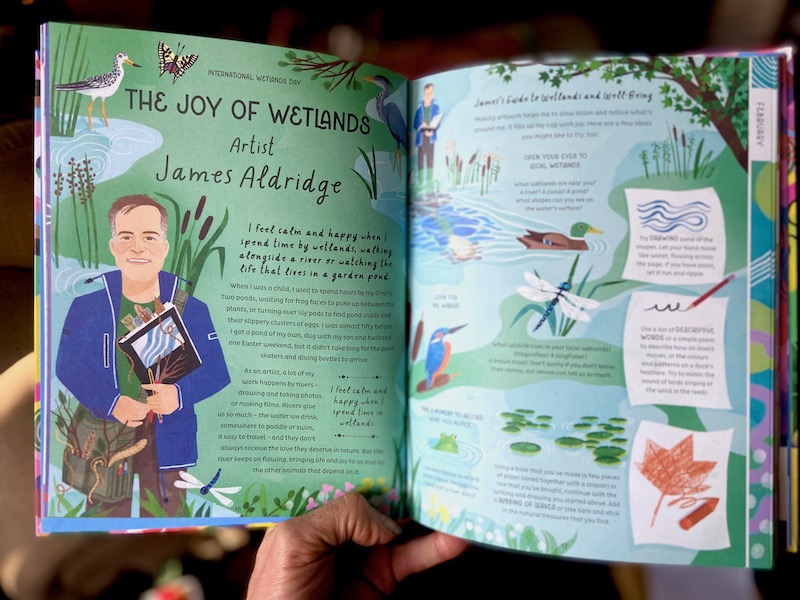
Blue Health, the interrelationship of human and river health, and emotional wellbeing have emerged as key themes, and seen me share my research as case studies with Bristol Medical School among others. With an exploration of my neurodivergence also came a new element. Neuroqueer Ecologies now weaves itself through Queer River, researching the value that sensory and processing differences, among others, can have when sensing and experiencing connection with ecosystems.
All of these areas have multiple blog posts published here, as an archive of the work that has come before. Queer River began as a single flowing channel of work and has expanded to become multiple channels of interconnecting themes and practices. It’s not easy to explain what Queer River is, as it deliberately aims to go beyond disciplinary boundaries, beyond individuals, and to create a space for knowing rivers that it also about knowing ourselves, and facing an uncertain future.
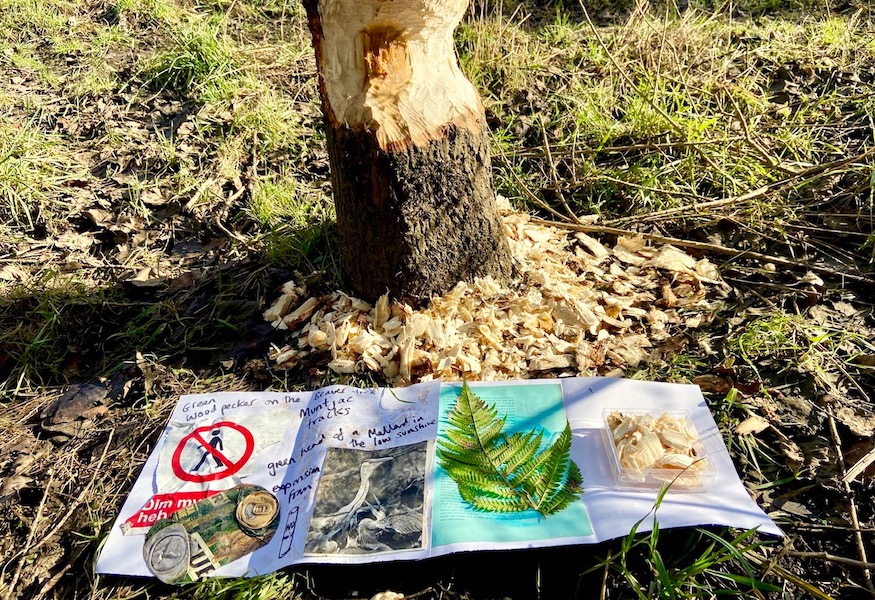

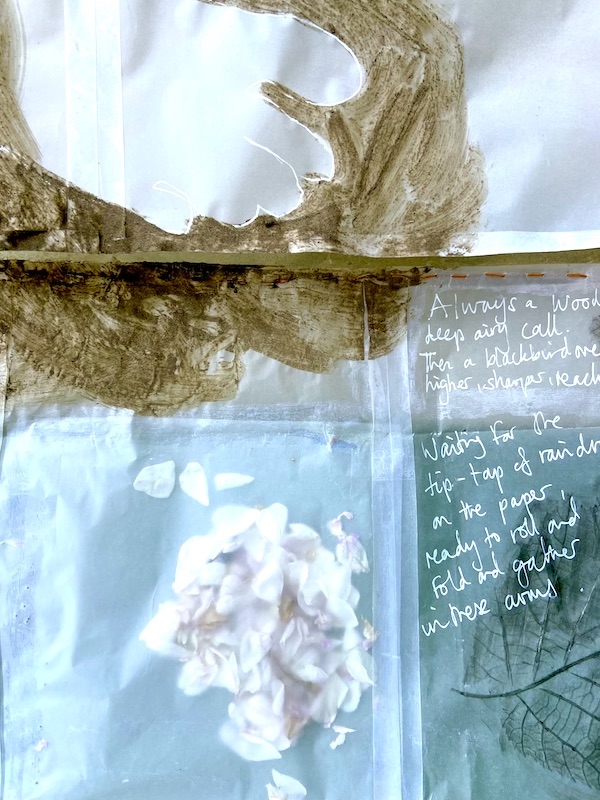
Some people don’t yet understand the value of queer perspectives to a wider environmental movement, and see it as a niche area, something just for LGBTQIA+ people. The queer community and our relationship to climate justice has an important place within my work (see previous writing on the relationship between the AIDS crisis and Climate Crisis for example), and it also goes way beyond that. Queer River questions how we have come to the situation that we find ourselves in, environmentally, socially and culturally, whose voices and experiences are missing from the environmental movement, and what arts-based, dialogical research and community engagement can bring to an understanding of what rivers need from us in a future impacted by these multiple crises.
5 years later
This year has had some really exciting elements (including new beaver-related research, a residency with John Hansard Gallery focused on the River Itchen (image below and featured image by Nosa Malcolm), projects with Wiltshire Wildlife Trust and Well City Salisbury and talks for a range of organisations). At the same time, the arts and many artists are in a very difficult place financially. I’ve spent a lot of time and energy this year on funding, residency and commission applications, whilst politically and culturally the world has felt a much more volatile and threatening place for queer and neurodivergent people.
I felt the need to write this post as a way of gathering previous threads together, grounding myself and my practice, and re-introducing Queer River. A kind of re-launch, in a soft and gentle way.


One thing that events this year have confirmed for me, after 25 years of working within creative community engagement of various forms, is the amount of experience that I have to bring to different sectors, who are starting to realise the place of arts-based community engagement.
For example, this month I visited the Flood and Coast conference with Wessex Archaeology to share learning from The Ripple Effect project with Leigh Chalmers, and support conference delegates to envision the role that creative engagement can play in flood mitigation projects. I also contributed to a panel at Into the Light for Heal Rewilding in Somerset, sharing a little about the place of art, queerness and neurodivergence within rewilding.
What next?
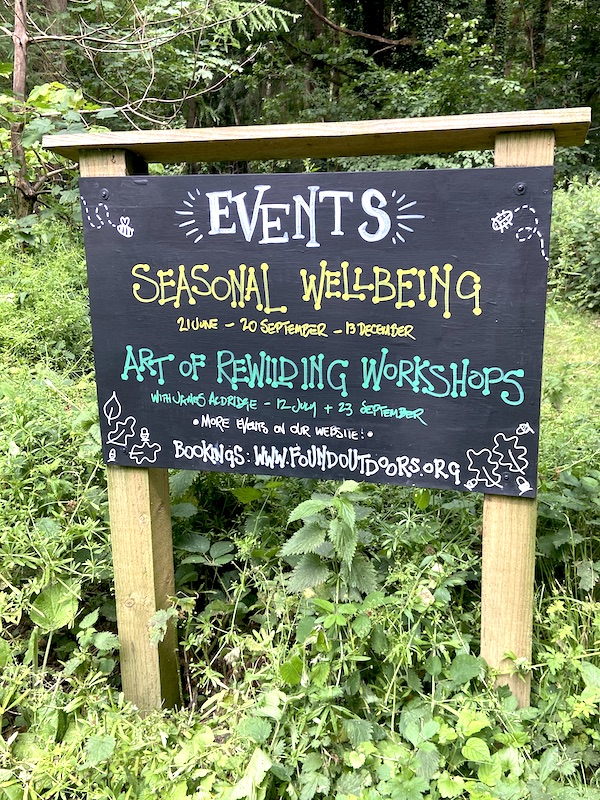
I’m going to continue to work across art, climate/biodiversity and learning/wellbeing, with new projects in development, and upcoming events including leading a walk at the Bodies of Water symposium with Up Projects as part of the Liverpool Biennial, and the second Art of Rewilding event at Found Outdoors, both in September.
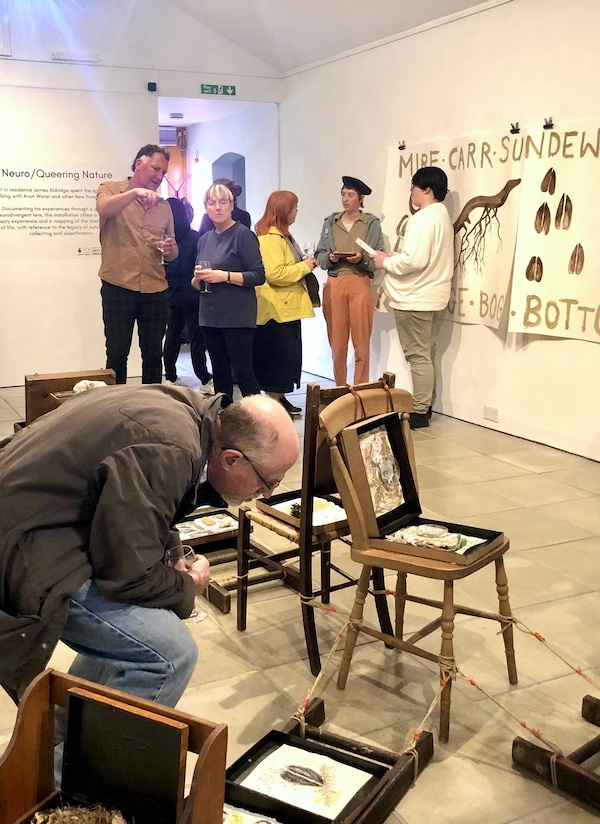
I’m also continuing to develop and exhibit new physical artworks (see previous solo exhibitions Drawing on Water and Neuro/Queering Nature and The Beaver and the Whale for Groundwork Gallery) and am enjoying presenting, writing and professional development becoming a key part of my work as I share my experience with others.

At the same time I want to make space for 1:1 and group walks, like my walk with Groundwork Gallery and the Norfolk Rivers Trust, or a recent walk as part of Wiltshire Museum’s Queer in Wiltshire project, and write more ‘Walking with… ‘ posts. This is how I started Queer River, and it’s a way to learn from others whilst anchoring myself and my practice in my locality.
Ultimately, I’m particularly excited about the potential for the arts and environment sectors to work together, in developing regenerative practices that value diverse experiences and perspectives on place, and I’d be happy to discuss how I can support the development and delivery of rewilding, species reintroduction and other related projects.
So, for those of you looking at Queer River for the first time, I hope this post gives a bit of insight into what it is and where its value lies. If you’d like to explore ways of working (or walking) together, please do get in touch, I’d be really pleased to hear from you.
 Queer River