
Over the last year or so I developed a PhD proposal and then applied for a studentship to fund my research. The proposal focuses on my Neuroqueer Ecologies research and applies that to human/beaver relationships, in the re-making of rivers, and within the context of climate and biodiversity crises. Put very simply, Neuroqueer Ecologies is all about the value that sensory and other differences bring to understandings of ecosystems. What we notice about different places depends on how our body-mind interacts with those places, and the beings we share them with. Neurodivergence brings value to an exploration of ecosystems (amongst other things) through noticing differently.


As part of this, and following on from my time in Norfolk last year with GroundWork Gallery and the Norfolk Rivers Trust, I have been taking a deep dive into the subject of beaver reintroduction in the UK, and the gradual recolonisation by beavers of my two local river systems, the Hampshire and Bristol Avons.
I heard yesterday that I wasn’t successful in my SWWDTP studentship application, which is a obviously a blow after so much time and energy spent researching and planning, but I still really believe in the need for this research, so I thought I’d share a little of what I’ve been up to on here, rather than keep it all to myself.


My PhD research would be practice-based, using my arts practice to map different beaver sites. I’m especially interested in the relationship between human and beaver infrastructure. How humans have altered rivers through history, and how beavers, on returning to these rivers after being hunted to extinction, are adding to, adapting or deconstructing these modifications.
As an artist and maker, who believes in the value of embodied approaches to knowing self and place, I’m interested in beavers as makers, as they use their bodies to shape riverine ecosystems. I’m also keen to draw on evidence from a past where people and beavers lived interconnected lives (e.g. through the work of archaeologists such as Bryony Coles), and crucially to learn from indigenous perspectives on multi-species, wetland communities, in an effort to decolonise the way that we relate to and restore our rivers.
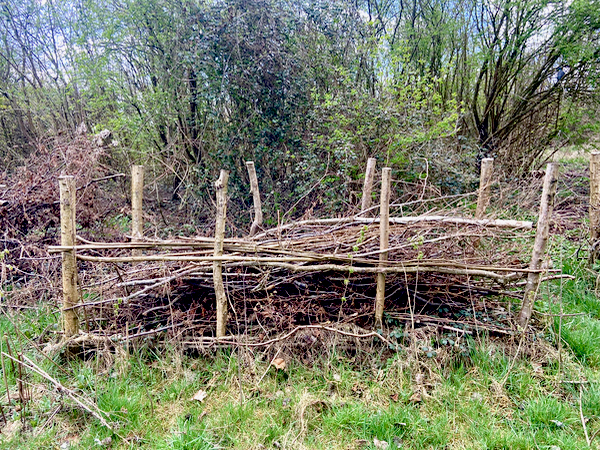


I’m not going to go into details on the specific locations where I found or heard of evidence of beavers in Wiltshire, as I don’t want to risk them being disturbed. So for this post I’m sharing some artwork I made along the River Biss in the Trowbridge area (a tributary of the Bristol Avon), and combining that with photographs of beaver signs from other Wiltshire locations.


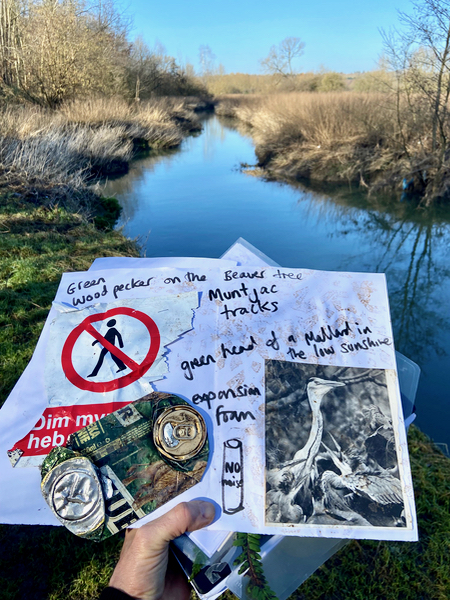
The three sets of Walking Pages shown here document three different walks with the River Biss, between December 2024 and March 2025. These are starting points really, ways of letting the place speak to me, and noticing my response. They layer text that records what I notice in the moment, with drawings and rubbings of riverside walls/signs/manholes etc, found imagery, and objects offered up by the river.

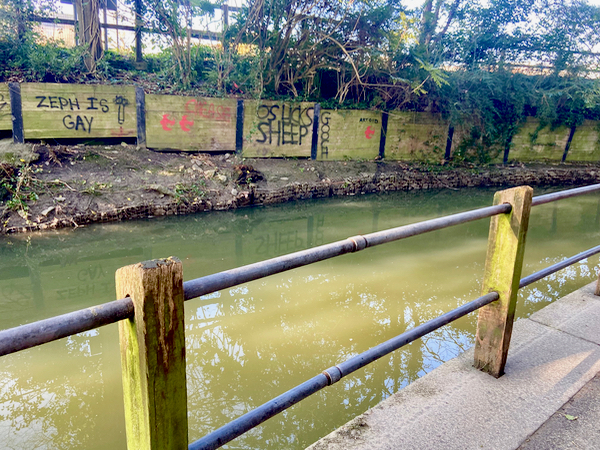
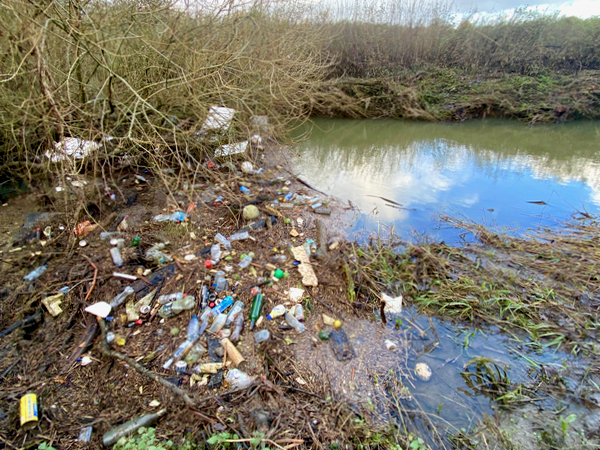
It feels important to say here just how shocked I was by the sad state of sections of the River Biss, and the huge amounts of plastic rubbish and sanitary products left behind after recent storms, especially through the town centre and downstream where the Biss meets the Bristol Avon. I was there to look for signs of the animals that we share these watery places with, but often what I was noticing were the dark, straight sided concrete channels, the piles of plastic left on the banks after high rainfall, and sanitary towels hanging from branches. I know that Wiltshire Wildlife Trust have plans for new work along the Biss, and that the Friends of Biss Meadows Country Park do a lot of good work upstream, so there are people who care and are actively seeking to change the condition of the river.

Thank you to everyone that has offered advice and support as I put my proposal together, particularly Dr Kai Syng Tan at Winchester School of Art, Dr Laura Smith and Dr Roger Auster, at Exeter University, Ecologist Gareth Harris, Dr Catherine Lamont-Robinson at Bristol University, Artist/Researcher Emily Wilkinson and the PaC Artist Network. I will be exploring other funding options over the coming months. As with Queer River, which itself grew out of writing proposals for a series of unsuccessful funding applications, I’ve started this work now, I just need the funds to make it sustainable.


 Queer River
4 thoughts on “Noticing Differently: Rivers, Bodies and Beavers”