
I begin my Pop-up Studio residency next week with the John Hansard Gallery in Southampton. I’m going to be exploring embodied experiences of the city’s blue spaces, alongside the Soundings exhibition from Emma Critchley.
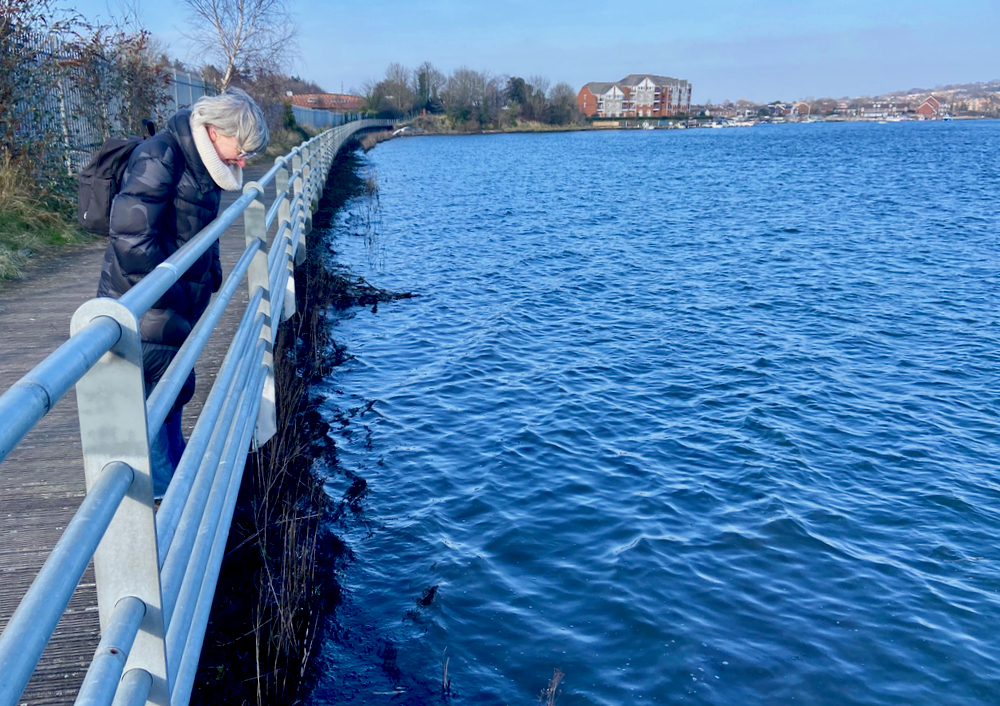
Ahead of my residency, on a recent visit to the gallery and Emma’s exhibition, I took a walk to some of the more easily accessible waterside areas, with Southampton-based Artist Alys Scott-Hawkins as my guide. Having only been to Southampton city centre, Alys offered to share some of her insight into what is sometimes described as a Sea City, including why for a city surrounded on 3 sides by water (chalkstreams the River Itchen and River Test, and Southampton Water), access to these blue spaces on foot is fairly limited.


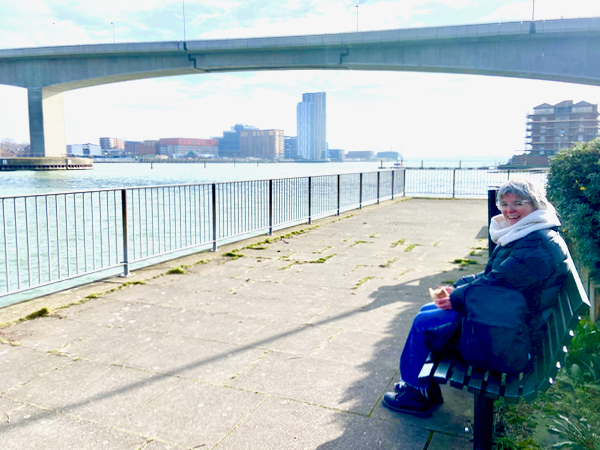
Alys is a visual artist and a coach/mentor for creatives, who carried out a previous pop-up studio residency in March 2024 alongside the Pia Arke Silences and Stories exhibition. Ays is also a fellow member of the PaC Artists Network. Before our walk Alys helpfully Whatsapped me a route from the gallery that I followed via Mayfower Park and the Town Quay, and along Canute Road, before meeting her next to the River Itchen Bridge.
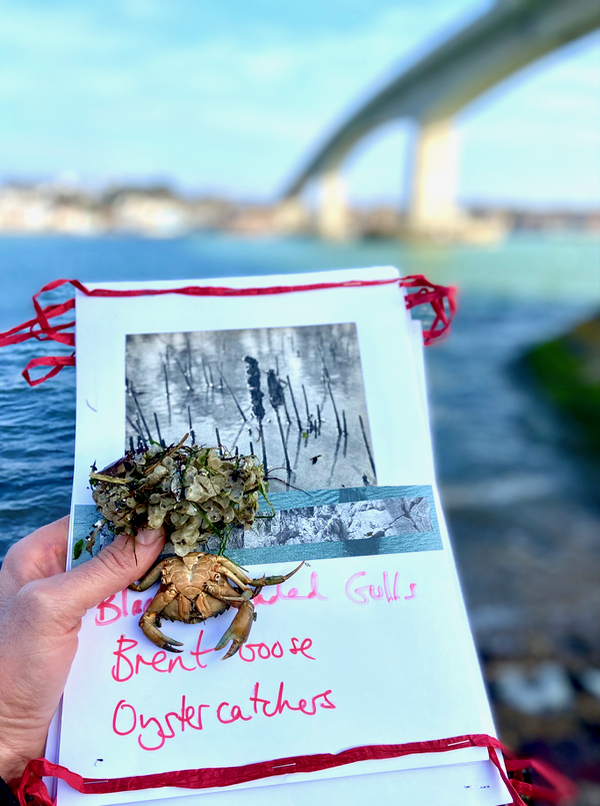
On my way I carried with me some Walking Pages that consisted of black and white photographs of wetland and marine wildlife and waterside buildings, connected with red paper tape in a way that reminded me of flags. As I walked, I recorded the names of the animals that I noticed in red pen, both alive and dead. The walk with Alys, and the making of these pages have helped me to form ideas for the work that I’ll be carrying out at the gallery, both individually and with the public.
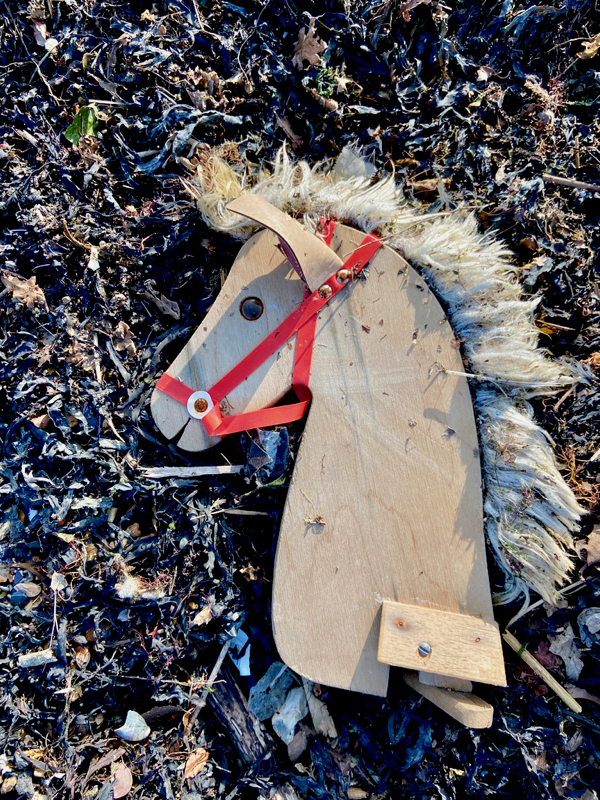
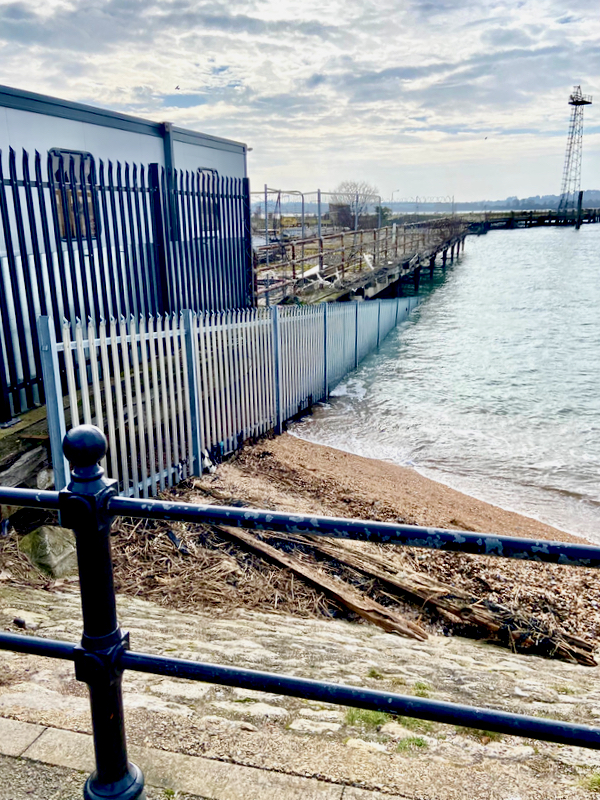
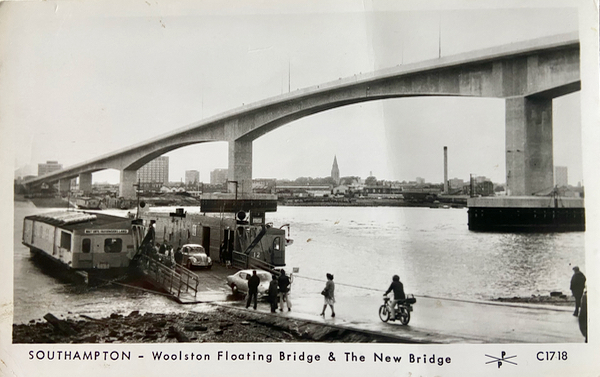
What quickly struck me as we walked, as well as the restricted access to the waterside, and the way that industry dominates the city, was a lack of the liminal, in-between spaces that I’d usually expect at the coast or alongside a river. In the places that I visited, water meets the straight edges of urban development. No beaches, marshes or gradual evolution from land into water, but an abrupt and artificial ending. As Alys pointed out, much of Southampton’s waterside is still very active industrially, in contrast to other cities where post-industrial areas have been repurposed or regenerated for leisure or as cultural venues. Since our walk I’ve been sourcing old photos and maps of the city that relate to its rivers and waterfront, and tell a little of their story.
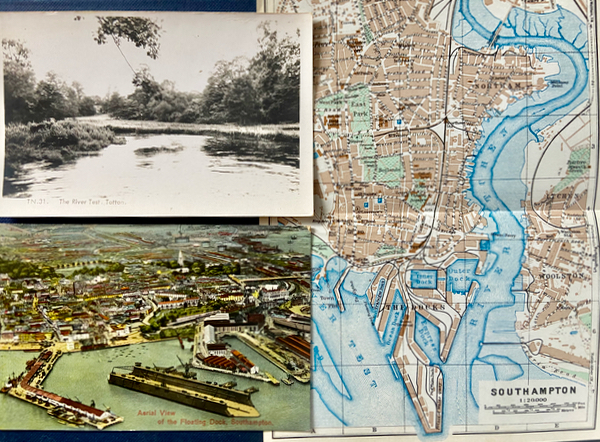

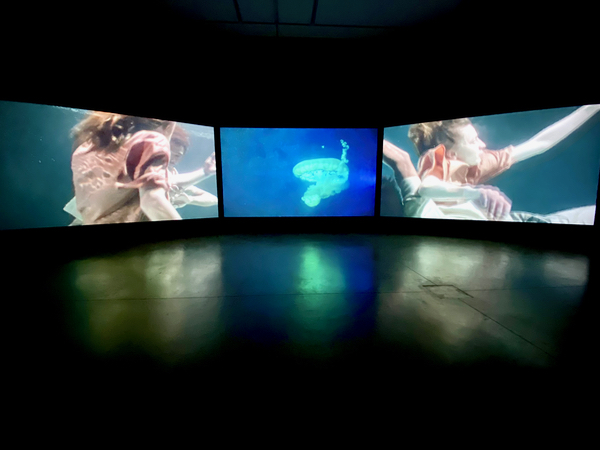
I recognise a relative detachment and distance from local rivers and marine environments in Southampton (unless you have access to a boat) that reminds me of my Queer River experiences of other towns and cities, and connects with the distance I’m sure many of us feel from the deep sea. In my work I prioritise embodied ways of knowing wetlands to cut across boundaries and binaries of human/nature and land/water, and offer experiences of connection and belonging, and I see something similar in the fluid choreography and the movement of deep sea creatures captured in Emma’s installation, a bridge between our bodies and spaces, and theirs.
Emma’s exhibition explores the subject of the deep sea and the threats from mining. It’s a beautiful, powerful and much needed exhibition, and one that I’m looking forward to spending more time with over the next couple of weeks. I see connections between Emma’s interdisciplinary research, community enggement and focus on embodied ways of knowing, and my own Queer River research.


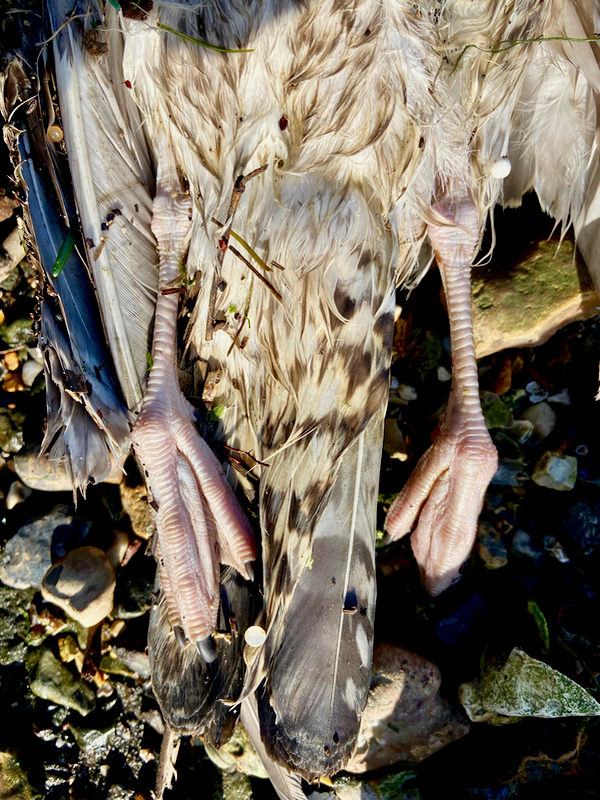
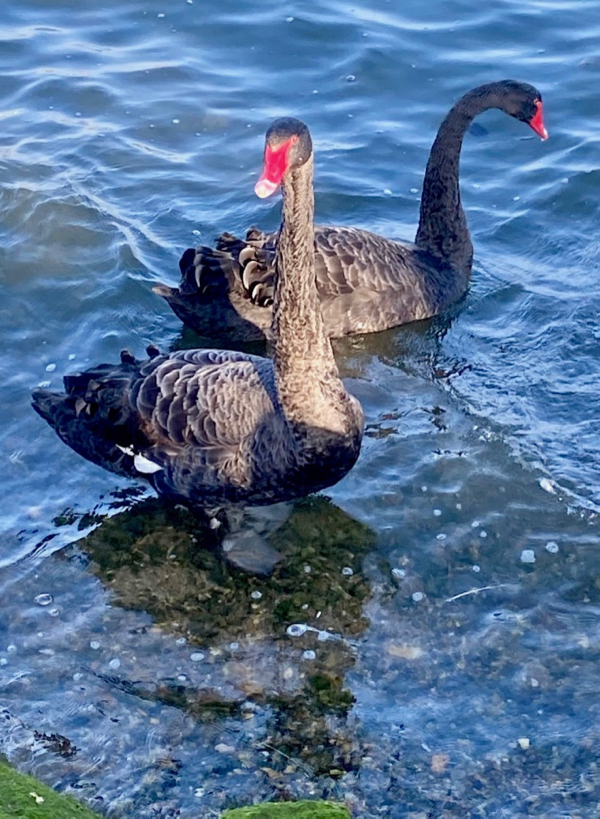
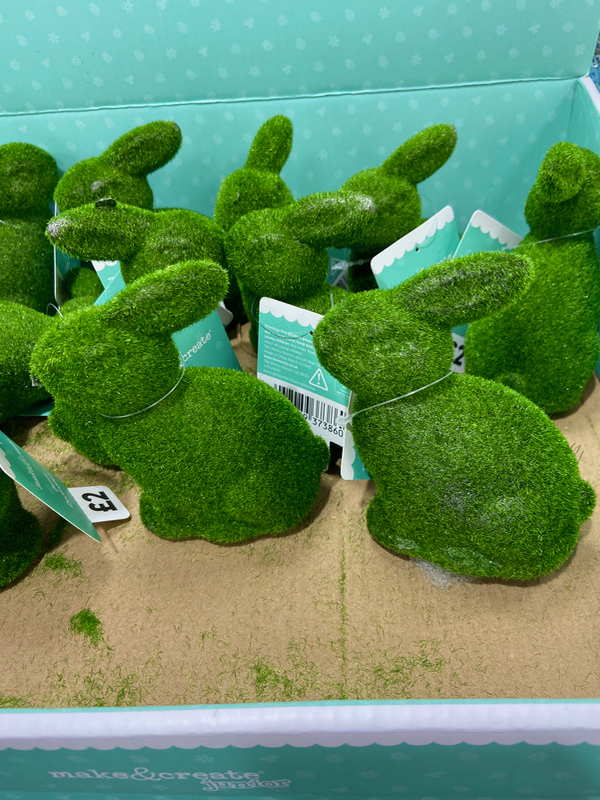
On my walk with Alys I noticed Black Headed and Herring Gulls, a dead crab and a swimming Dark Bellied Brent Goose, a species that overwinters in the UK. Brent Geese like the kind of intertidal enironments that are missing from central Southampton, but available in the form of marshland just along the coast near Lymington (as I discovered in my residency with Spud lasy year). I also found a lot of Oyster and Mussel shells, and noticed a few Cormorants and Swans. I was surprised to find four Black Swans (native to Australia) alongside the Mute Swans, but understand from Alys that they are resident here and breed upriver. I also spotted animals in and on shop windows on my way from the gallery to the water, from a Red Deer Stag to green velvet rabbits, and recorded those too.


Because I am a visitor to Southampton, I am asking local people (and other visitors) to share their experiences of local blue spaces and of animals that live in and around them with me. Alys brought me coffee and a bun (I’m not expecting everyone to do that but it was much appreciated!), and she shared her lived experience of the area and knowledge of how the city’s industry has altered its watery edges. As a result I have photographs that I have taken of the Itchen, and the animals I found on my way there, and I’ll be collecting objects that have been washed up next week, to incorporate into my artwork.
My residency at the John Hansard Gallery is intended to be open and conversational, and I’ll be in the Active Space on the 14th, 18th, 19th and 22nd March, if you fancy popping in to say hello. The space will also be open on other days when I’m not working, for you to see what I’ve been up to. Here’s a map showing the location of the gallery and opening times. I’d really recommend a visit to Emma’s exhibition (below, left), and to Kathy Prendergast’s show Stasis Field (below, right) downstairs too, which includes some lovely sculptural and map-based work.

Thank you to Alys for sharing her knowledge, company and refreshments. You can find out more about Alys’s artwork and research by visiting her website https://alysscotthawkins.co.uk, and read about the support she offers to artists and creatives here https://artistsupport.org.uk.
 Queer River
this was a very nice & informative read, thank you to all involved! will try to visit the gallery!
LikeLike
Thank you Valerie, hope to see you there
LikeLike