
I came home yesterday after a week at SPUDworks in the New Forest, the first week of a part-time residency that will culminate with an exhibition in June.
I’ve called the residency Neuro/Queering Nature. I had the idea that I would draw from my lived experiences of the Forest, as a queer, autistic artist, piecing together a model of the Forest in my mind and body, through walking, talking (with others that live and work there), and making.

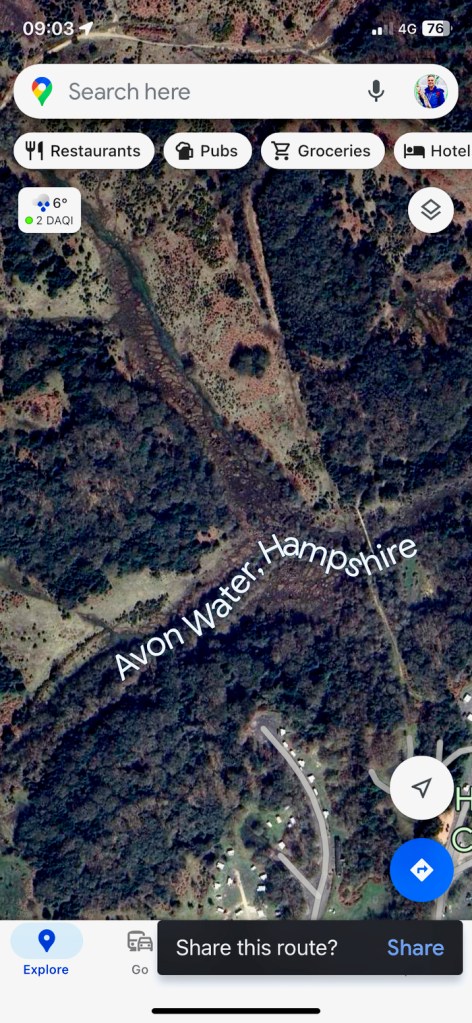
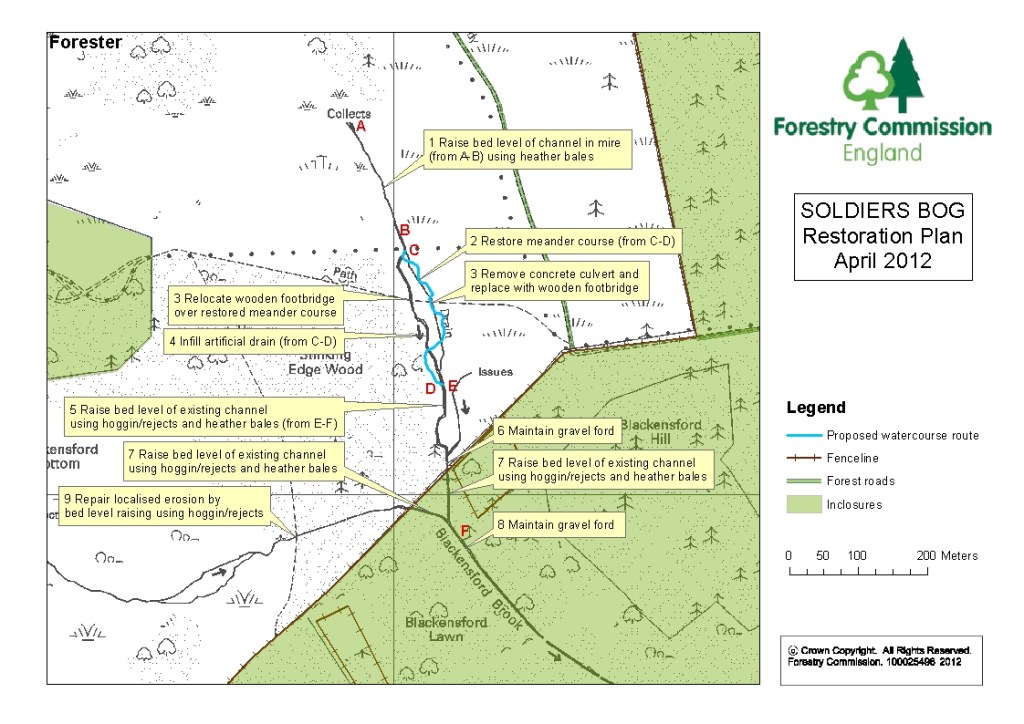
Once in the Forest I visited Avon Water, the nearest river to Sway where I was staying, and researched the way that the river has been re-wiggled along certain sections, as well as the rarity of such riverine woodland nationally. I also spent time seeking out the mires that capture water and feed the rivers across the forest, and read up on mire restoration at places like Soldiers Bog, inspired by reading Goshawk Summer by James Aldred.

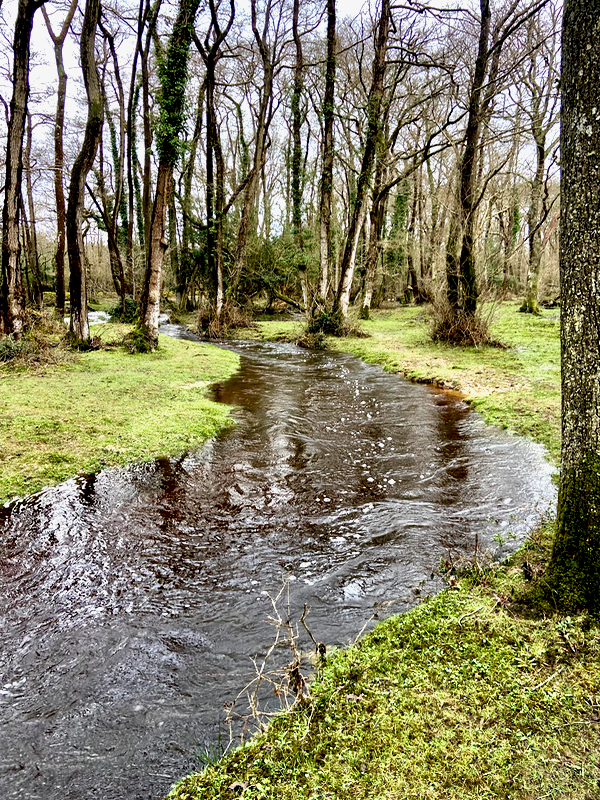
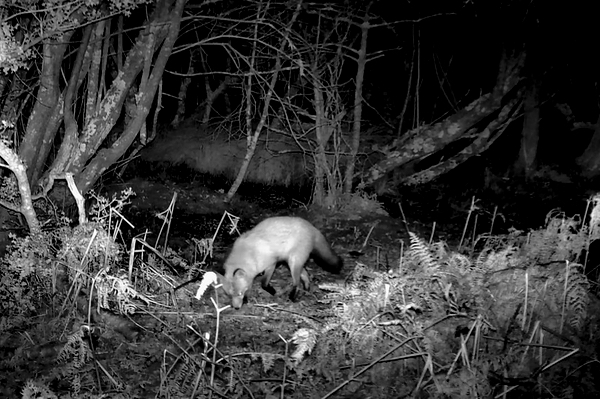
While at the restored stretch of river near Wootton Bridge, I recorded animal tracks onto pages from charity shop botany books, and set up my camera trap to find out what had been feeding on spawning frogs. The image below is taken from the resulting footage of a munching fox.
I didn’t have a definite plan of what I wanted to cover or where I wanted to visit, because I want to piece together a body of work that emerges out of coming to know the Forest, rather than pre-empt what that might look like. I feel like I am neuroqueering natural history, because I’m documenting what I notice and how I notice it, creating artwork that pays attention to the relationships between the different elements that make up that land, rather than organising them according to a pre-existing, scientifically approved system.

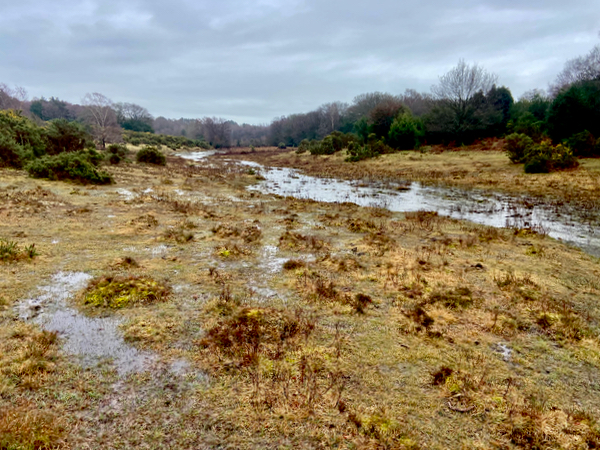
Obviously I can’t claim to represent every neurodivergent person, or even autistic experiences as a whole, because we are all different, but I can start with my own sensory experiences of the Forest’s watery places, and gradually build a sense of the wider Forest ecosystem from there.
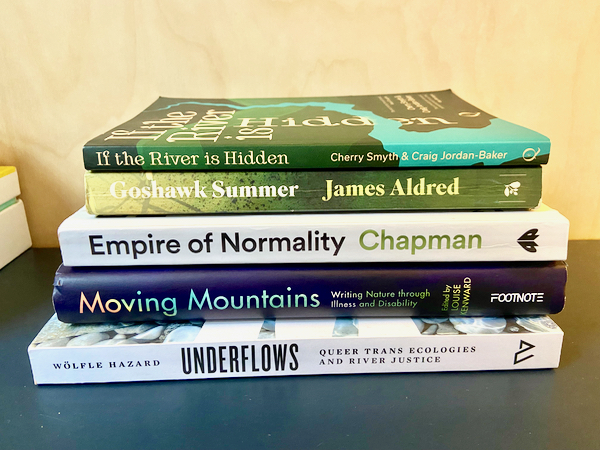
I didn’t plan to work with wetlands again, but as the days went on I started to recognise the way that the Forest’s wetlands link all the other elements together, as mire feeds brook, and flows through bog, down into river and on towards the coastal marshes. If the Forest is a body, as I am sensing it to be, then the wetlands are key elements of its anatomy, and the water that moves through them its lifeblood (This sense of the bodily nature of the Forest has been informed by reading an inspirational book during my time at SPUD – Underflows: Queer Trans Ecologies and River Justice by Chloe Wolfle Hazard).

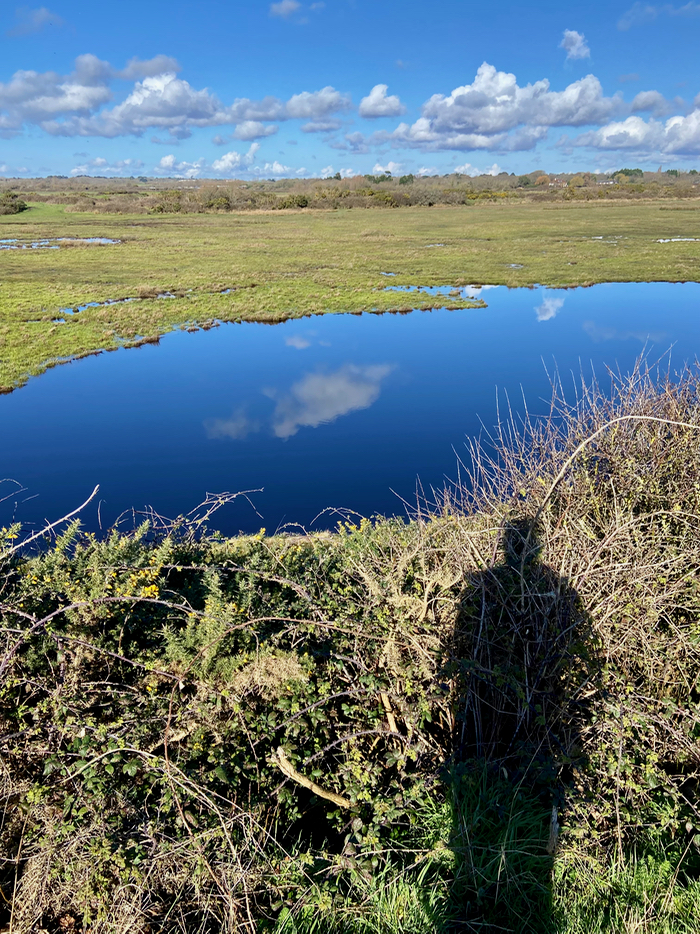
Thank you to Robbie (@WovenTreeTrailTales on Instagram) who showed me around his local patch and introduced me to areas of river that I wouldn’t have otherwise discovered, and thank you to Pete Durnell from the Hampshire Countryside Service, who shared his extensive knowledge of the Lymington and Keyhaven Marshes, after I followed Avon Water down to the coast at Keyhaven. I was particularly taken by the wide range of birds that visit this place where the sea meets the land, either for the winter or to breed, and particularly by their names and calls. Listen here to Pete talking more about the marshland wildlife.


So far I’ve collected objects, taken photographs, made lists of wading birds, used burned gorse and river clay to write/draw, and recorded the flowing water with a lot of video. Now I’m home I’ll take some time to look through what I’ve gathered, and follow up on particular pieces of information. I’ll make more drawings, find maps, and look for new places to visit that fit into this emerging model of the New Forest’s watery body.


As I do I’ll share more on here, and the SPUD instagram page, and start to develop ideas for my exhibition and the sessions I’ll be running with SPUD’s Together LGBTQAI+ group, a group of young artists faciitated by Hannah Buckingham, with whom I’ll be working in April.
So thank you to SPUD, and to the community of life that makes up the Forest, to whom I’ll be returning very soon.
 Queer River
2 thoughts on “The Body of the Forest”